01 / CODING
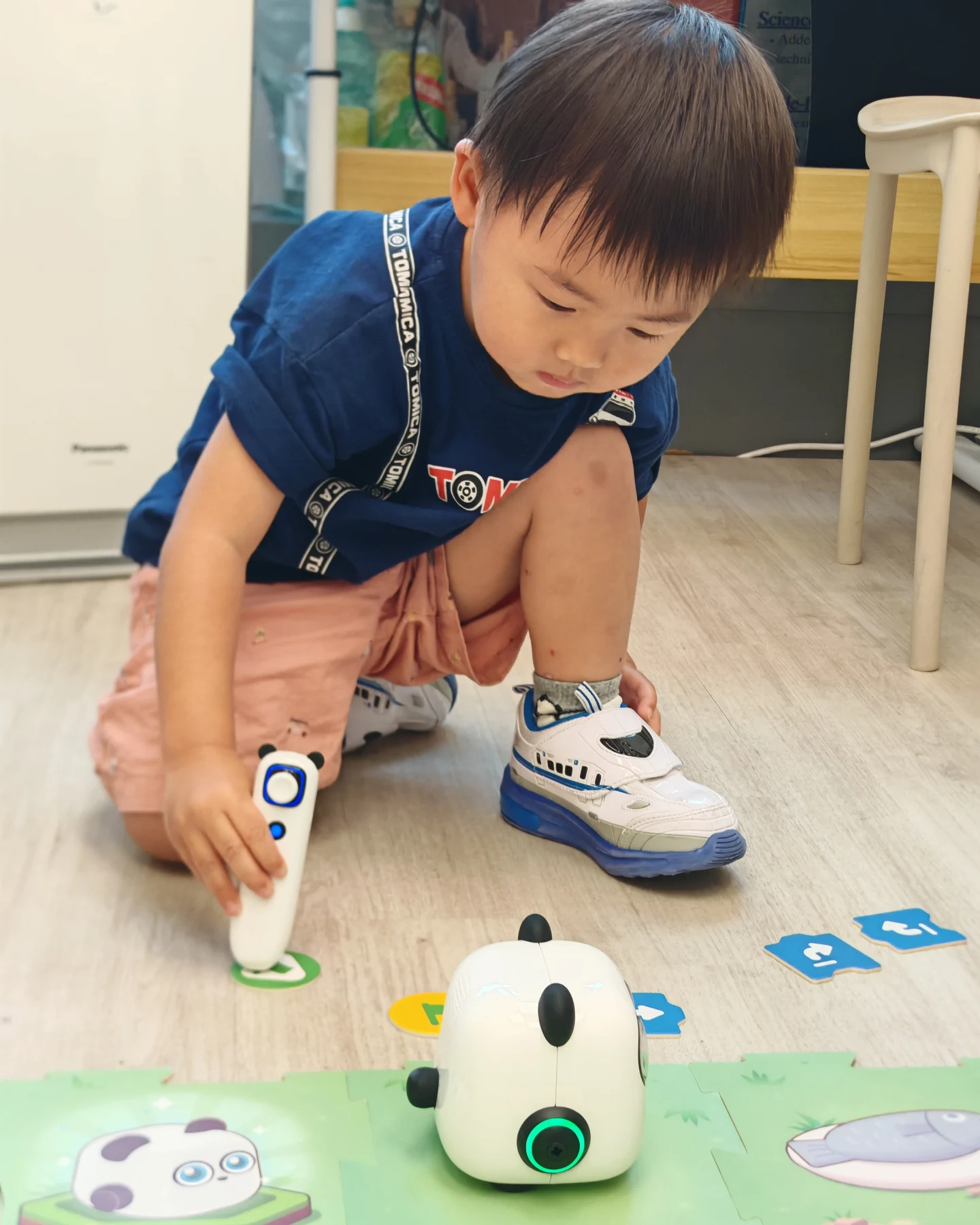
“Can I get it
over there?”
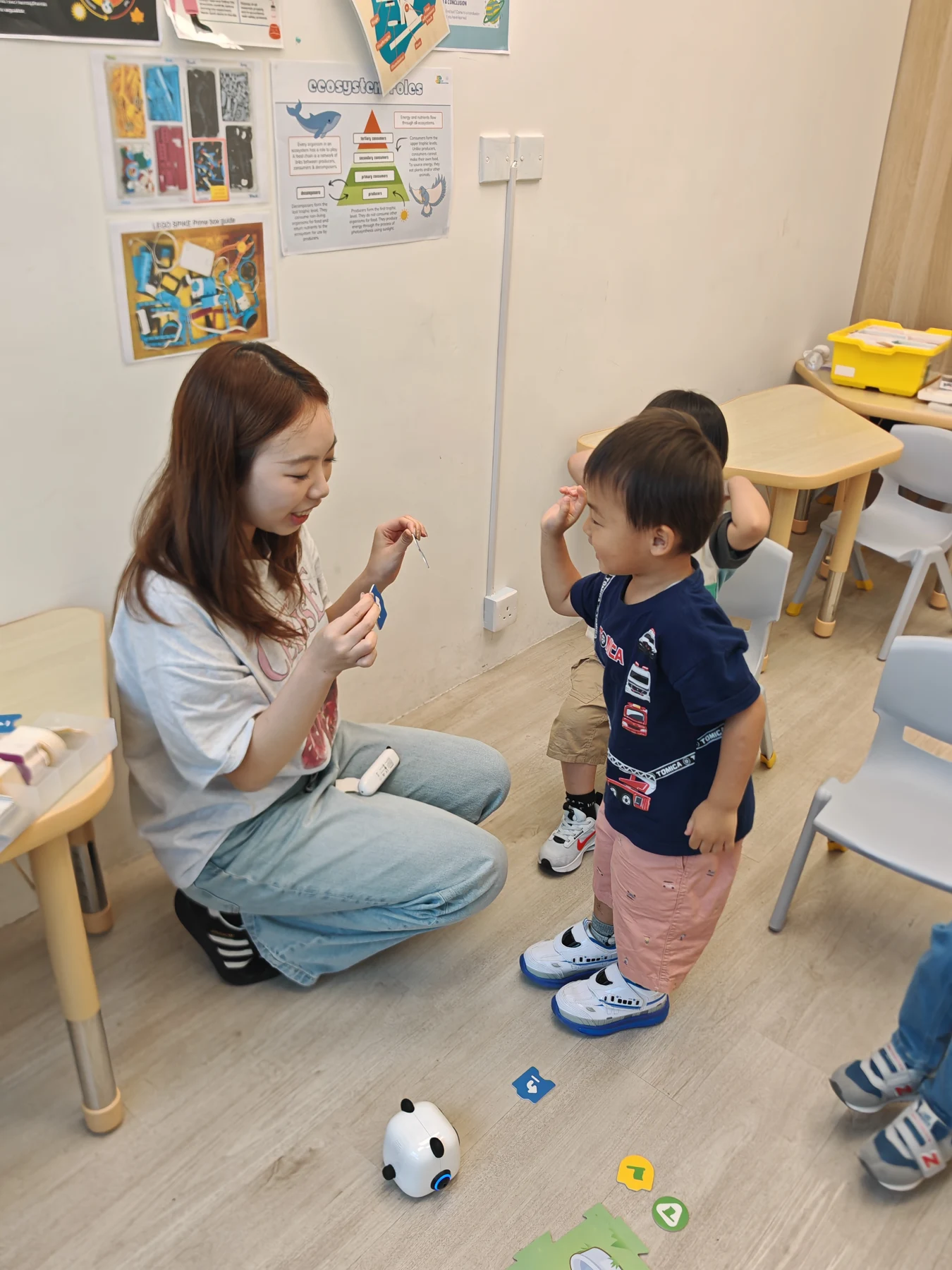
With mTiny and physical coding commands, children start connecting a plan with an action: what goes first, which way to turn and what to change when the route doesn’t work.

 Enquire
 LITTLE CODER · AGES 3–4
A little robot. A curious mind.
A whole world to figure out.
Plan a route with mTiny. Build with big LEGO bricks. Discover what makes things move. Little Coder gives children aged 3–4 a hands-on introduction to coding and science—with plenty of room to try their own ideas.
FIRST CODING. REAL-WORLD DISCOVERY.
A command becomes a movement. A few bricks become a creation. Different topics give children new questions to explore—and new reasons to build, test and try again.
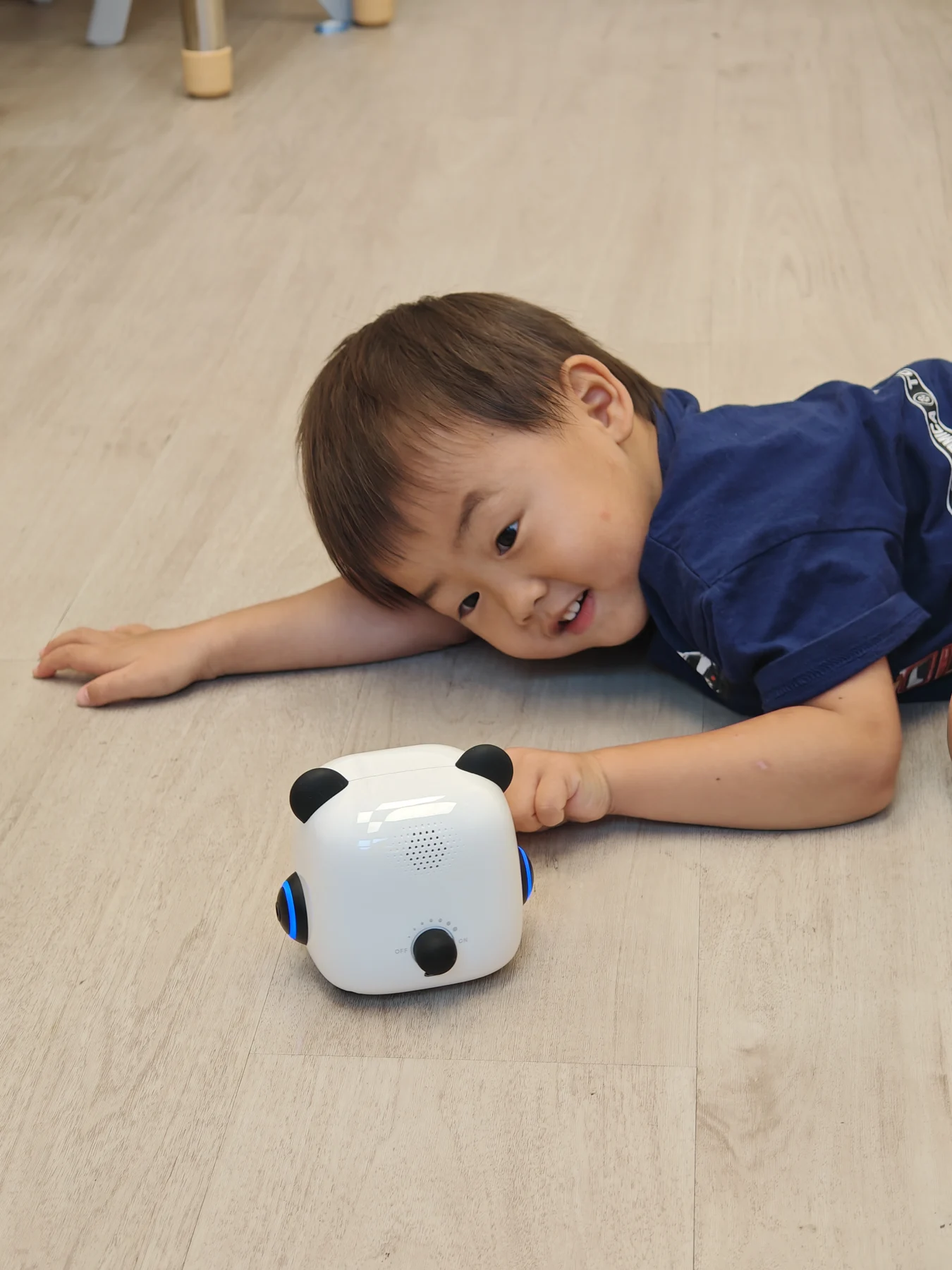
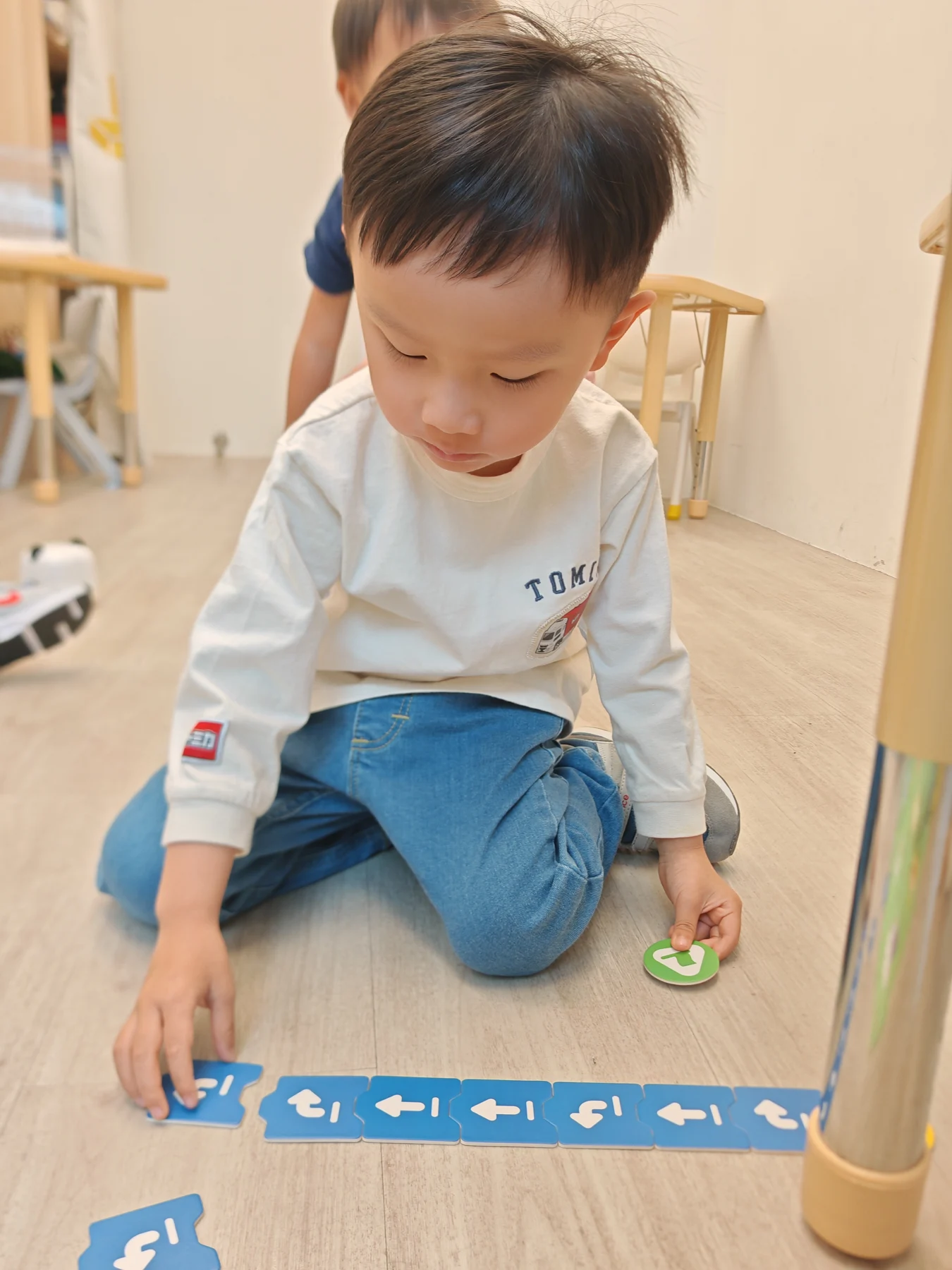
With mTiny and physical coding commands, children start connecting a plan with an action: what goes first, which way to turn and what to change when the route doesn’t work.
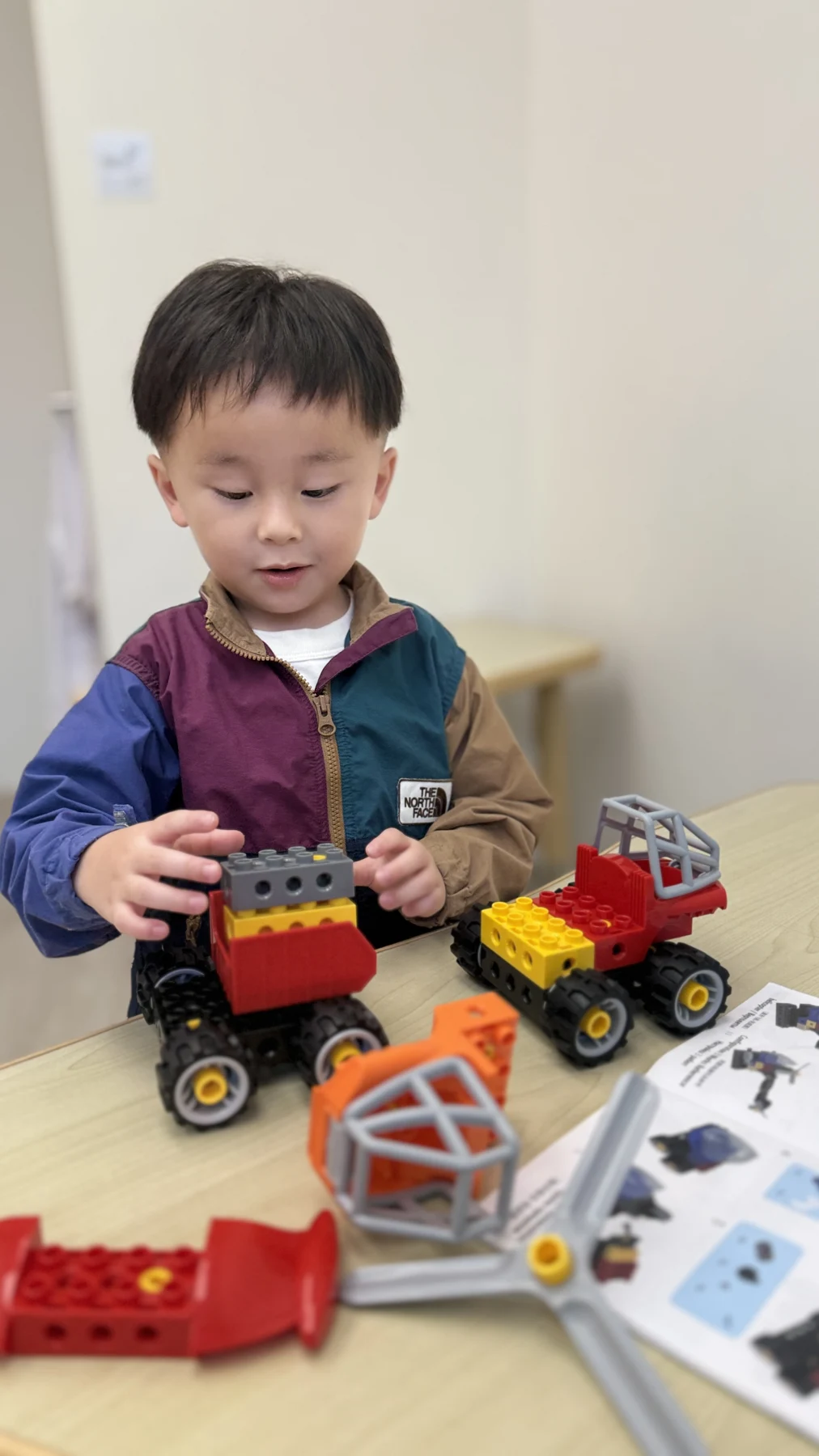
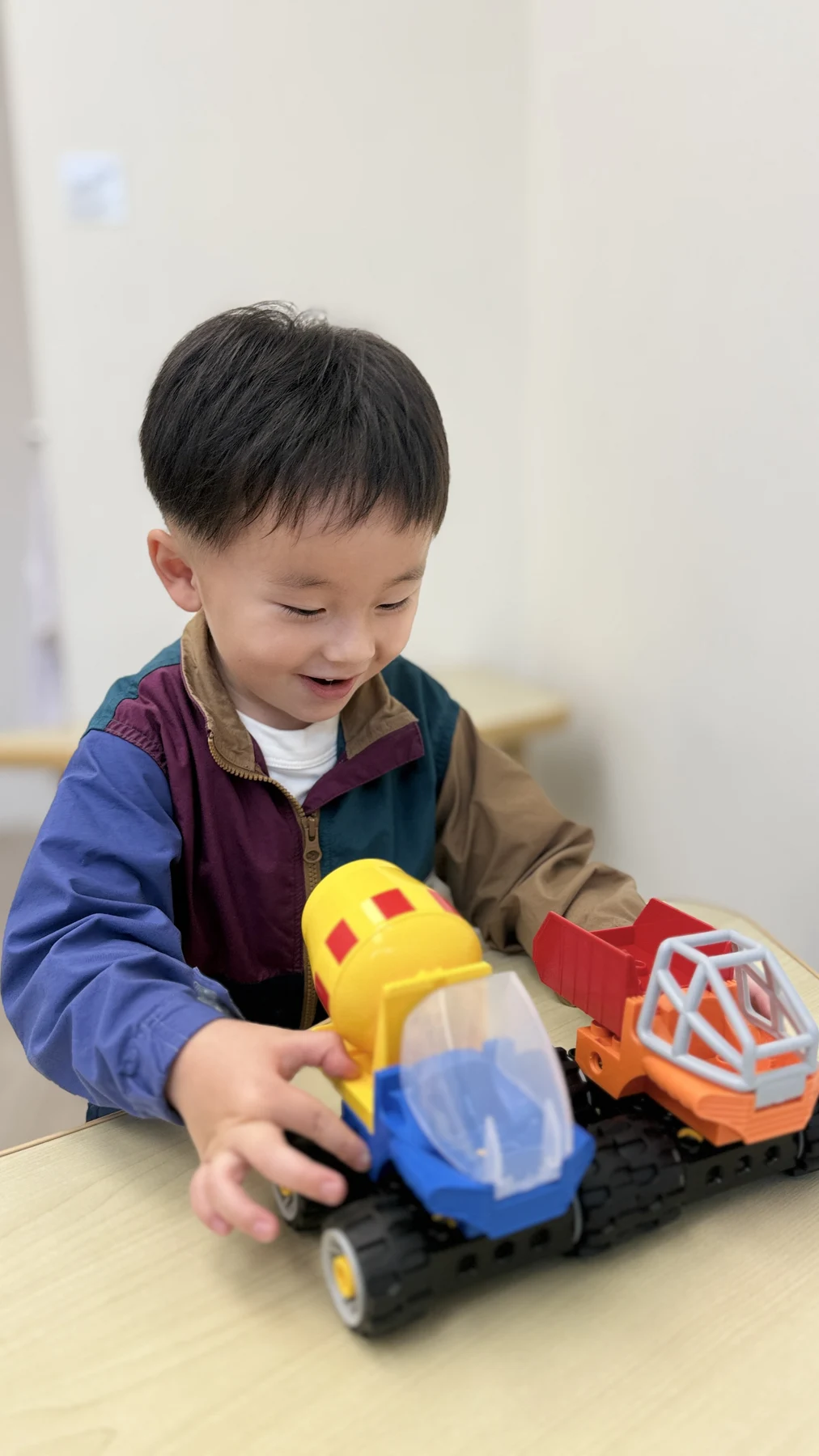
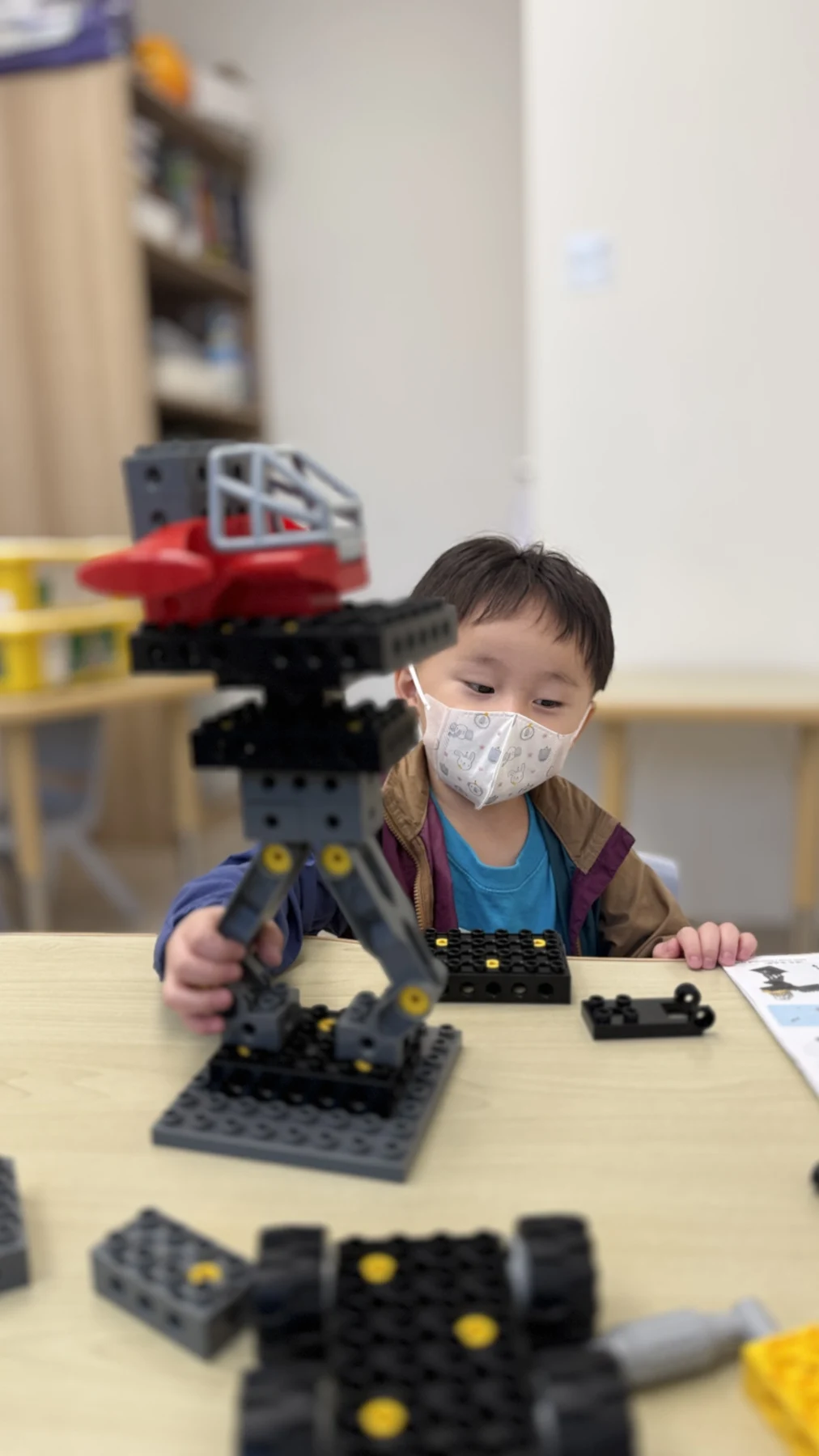
Big LEGO bricks turn ideas into something children can hold, connect and change. Building gives them a practical way to explore shape, balance and how parts work together.
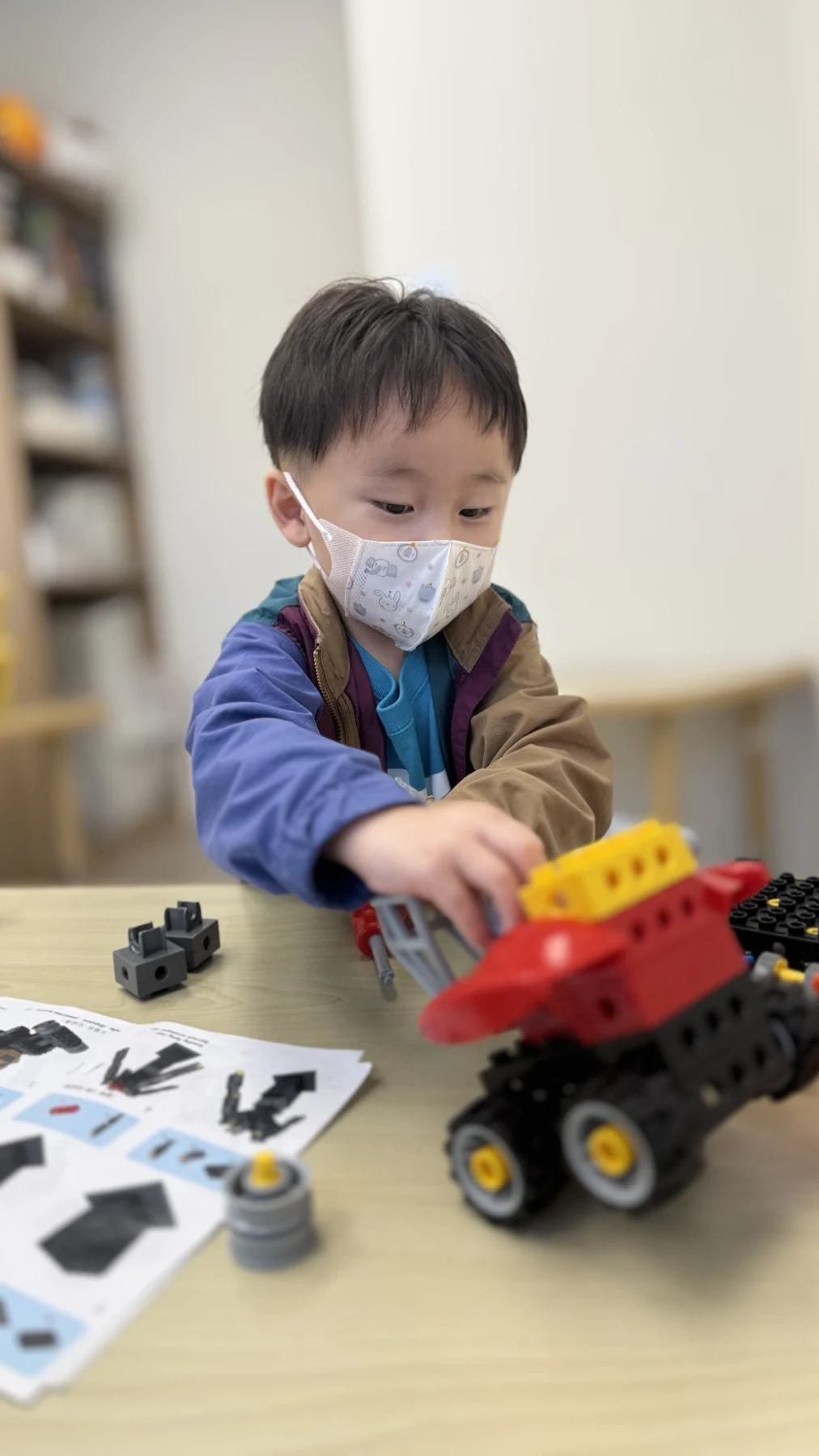
Hands-on activities introduce different science topics through questions children can investigate. They make a prediction, try something out and notice what changes. Cars and slopes are just one example.
DIFFERENT TOPICS. THE SAME CURIOUS MIND.
Little Coder explores different topics through screen-free coding, LEGO building and hands-on science. Each topic brings a new opportunity to plan, build, predict and discover. Explore a few examples below.
A PLAN THEY CAN SEE
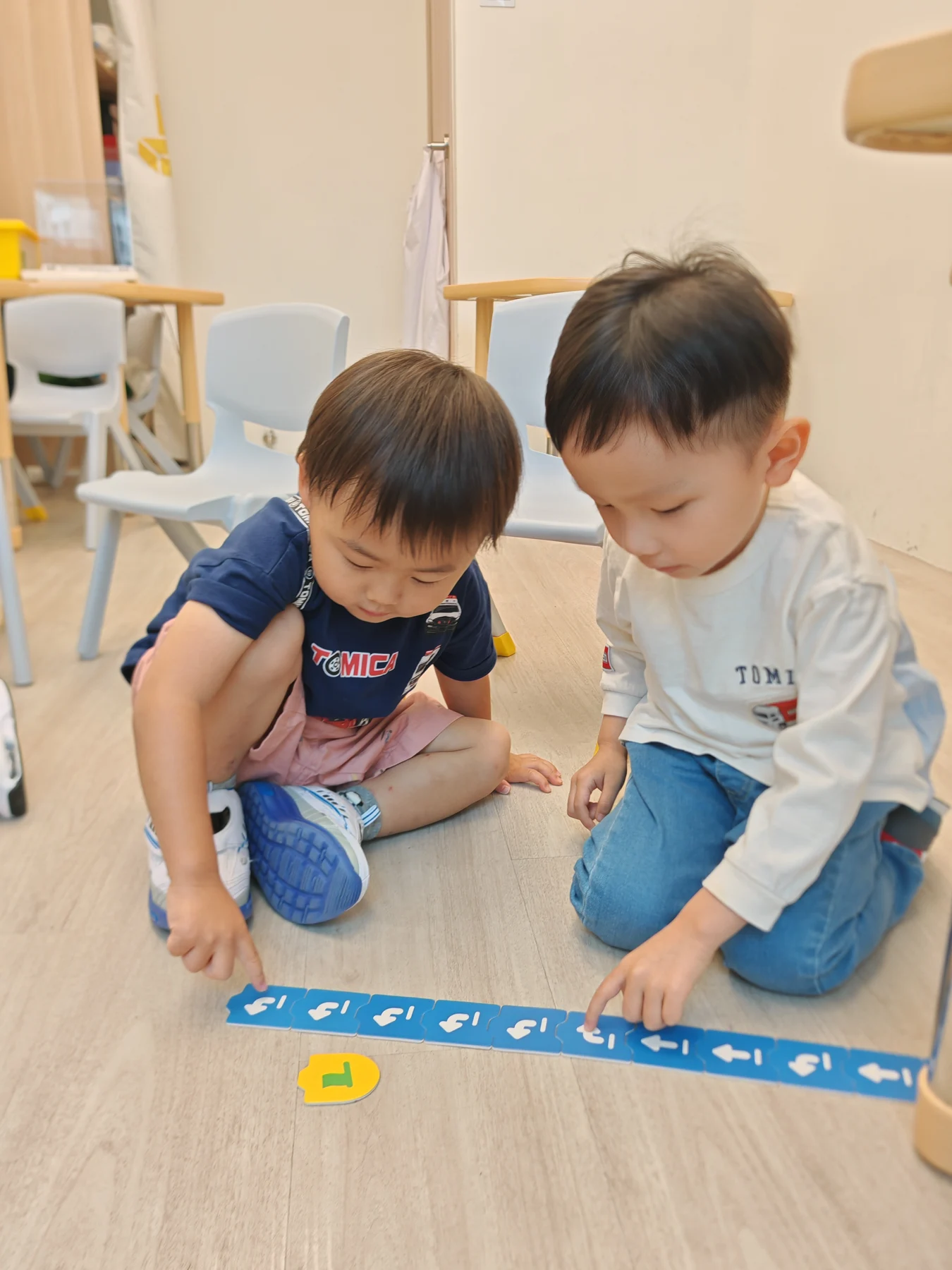
Arranging physical commands makes a sequence tangible. Children can follow their plan, see the result and move a card to try a different route.
Four commands. One little plan.
BIG BRICKS. THEIR OWN DISCOVERIES.
Large LEGO bricks give children something they can build, handle and change. Their creation becomes a starting point for exploring how parts fit together and what happens when they try a different approach.
Different topics bring different challenges. The focus is on learning through building and discovery.
What do you think will happen?
Illustration for parents · Actual results depend on the car, surface and setup.ONE EXAMPLE OF A SCIENCE TOPIC
In this sample topic, children explore what happens when a car rolls down a slope. Changing the ramp gives them a reason to predict, observe and explain what they notice—the same thinking they can bring to other topics.
 A little guidance.
HOW WE HELP THEM DISCOVER
Getting it right is only part of the story. Noticing what happened, making a change and having another go are learning moments too.
Start with something to wonder about.A simple question gives their activity a purpose.
Make a plan they can touch.Arrange a command, connect a brick or build a route.
Test, notice and try again.A teacher’s prompt helps them explore the next possibility.
Put a discovery into words.“It turned!” “I changed this.” Small explanations matter.
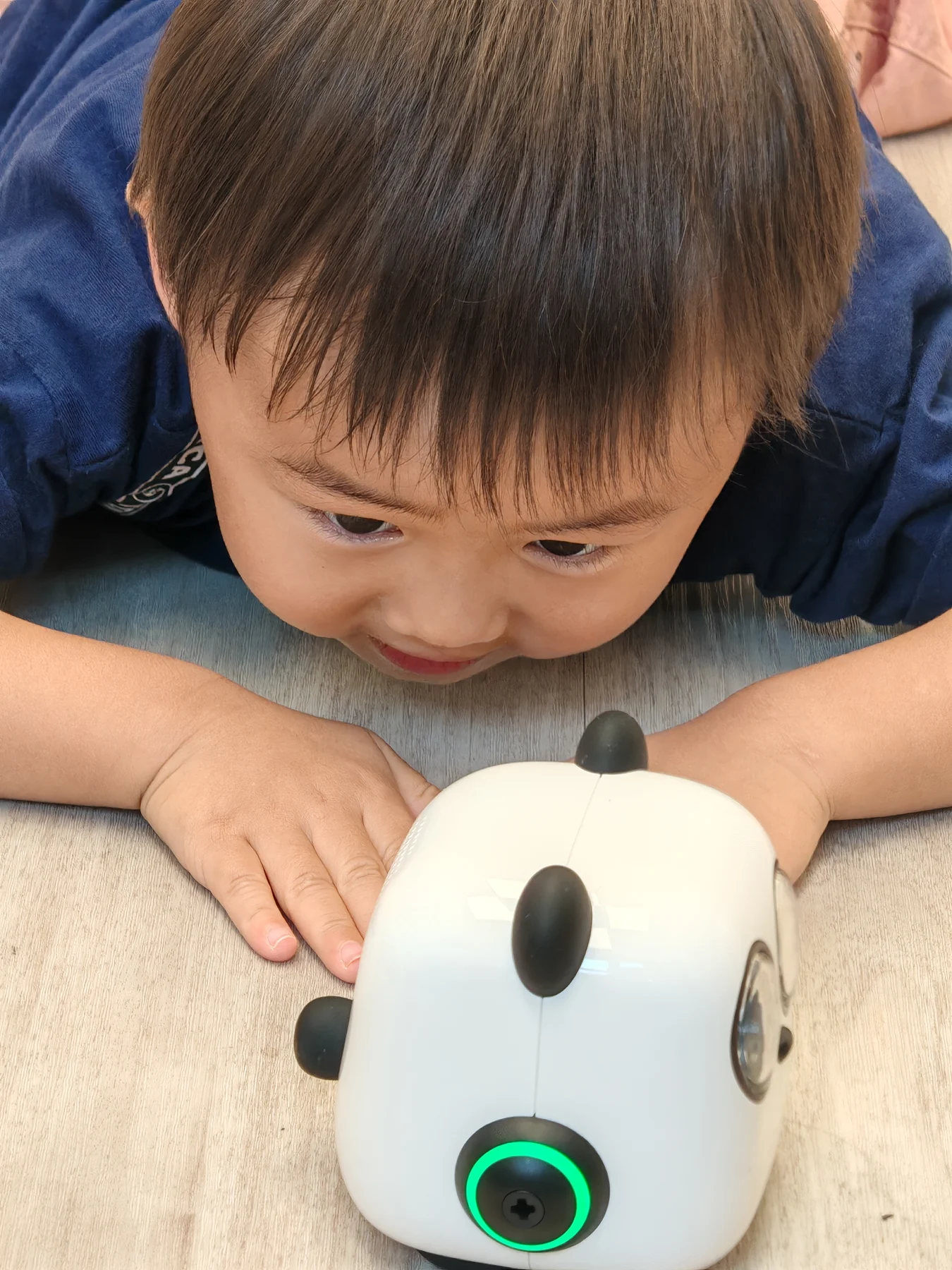
THE BEGINNING OF INDEPENDENT THINKING
Our aim is to give curiosity somewhere to go—with real objects, playful challenges and the space to explore.
LITTLE CODER AT SUP
A look inside the classroom: planning with mTiny, building with LEGO and testing what their creations can do.
THE FIRST STEP, MADE SIMPLE
Ask us about available classes, lesson arrangements and trial options.
Children use physical commands to plan actions for mTiny, rather than coding on a tablet or laptop. They can arrange a sequence, see what the robot does and change their plan.
Large LEGO bricks give children a hands-on way to build, test ideas and explore how things work across different topics. Topics vary; cars and slopes are one example of exploring science through play.
Little Coder is designed for children aged 3–4. Tell our Education Consultants your child’s age and interests so we can discuss a suitable first step.
Contact our Education Consultants on WhatsApp for the timetable, fees, trial availability and attendance arrangements.
Ask about a class ↗A FIRST STEP INTO CODING & SCIENCE
Tell us a little about your child. We’ll help you explore Little Coder.